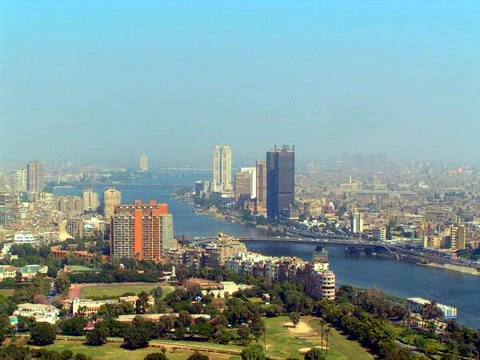
Accra
Capital and largest city of Ghana, on the Gulf of Guinea.

Accra is the capital and largest city of Ghana, located on the southern coast at the Gulf of Guinea, part of the Atlantic Ocean. It serves as the economic and administrative hub of the Greater Accra Region and the anchor of the Greater Accra Metropolitan Area, which is the thirteenth-largest metropolitan area in Africa.
- Area (Accra Metropolitan District)
- 173 km²
Lore & Background
Accra was formed from the merger of separate settlements around British Fort James, Dutch Fort Crêvecoeur (Ussher Fort), and Danish Fort Christiansborg, known as Jamestown, Usshertown, and Christiansborg, respectively. The name 'Accra' is derived from the Akan word Nkran, meaning 'ants', referencing anthills seen in the countryside; the local Ga name is Ga or Gaga. By the 16th–17th centuries, the Ga state of Accra ruled the area from its capital at Ayawaso.
Reader's Guide
Its architecture reflects a history ranging from 19th-century colonial buildings to modern skyscrapers. The city is a transportation hub, home to Accra International Airport and railway links to Tema, Sekondi-Takoradi, and Kumasi. It hosts national and international business conferences. As a coastal city, Accra is vulnerable to climate change and sea level rise, with drainage infrastructure at risk, especially in informal settlements. Inadequate planning regulation, perceived corruption, and lack of coordination across government departments impede drainage infrastructure development.
Did You Know?
- The name Accra is derived from the Akan word Nkran, meaning 'ants', referring to soldier ants.
Etymology & Cultural Identity
The name Accra traces back to the Akan word Nkran, meaning "ants" — specifically soldier ants — a reference to the anthills that dotted the countryside surrounding the settlement. Twi-speaking communities applied this name to both the town and its people. In the local Ga language, the name appears as Ga or Gaga (sometimes rendered with nasalized vowels as Gã or Gãgã), which is also the name of the Ga people themselves and a cognate of the Akan word. Historian Carl Christian Reindorf drew a connection between the martial nature and migratory habits of these ants and the character of the Ga people. The Gas themselves used the image of invasive dark-red swarming ants to symbolize their military prowess and their ancient conquest over Guang speakers in the Accra Plains. Anthills held sacred status in this landscape — tall red mounds in the hinterland were sometimes ringed with sacred fences called aklabatsa, regarded as microcosms of human community and as points of contact between the living world and the realm of the dead. The European spelling "Accra" was applied to Nkran by outsiders, with an earlier Danish rendering being "Akra."
The Accra Kingdom & Colonial Encounters
Long before European contact, the kingdom of Accra governed the region from its capital at Ayawaso by the 15th century. Initially, the area's trade flowed through ports at Ada and Prampram and inland centers like Dodowa and Akuse rather than through Accra itself. The 17th century saw the Dutch, British, and Swedes construct Fort Crèvecœur, James Fort, and Christiansborg castle respectively. A dispute that year triggered war when Accra invaded Larteh while weakened by internal civil conflict. The king's son Ofori fled to "Small Accra" near Fort Crèvecœur, where Danish guns at Fort Christianborg repelled further Akwamu advances.
From Colonial Capital to Modern Metropolis
The choice was partly practical: Accra enjoyed a drier climate than its predecessor. The relocation of administrative functions triggered an influx of colonial officials and European settlers, who clustered around the Christiansborg area — what would later become Osu, Ministries, Ridge, Labone, and Cantonments. An exclusively European residential quarter called Victoriaborg emerged to the east.
Economic Hub & Global Standing
Accra functions as the economic and administrative engine of the Greater Accra Region and anchors the wider Greater Accra Metropolitan Area, which shelters approximately four million inhabitants and ranks as the thirteenth-largest metropolitan area in Africa. The city's built environment tells a layered story: 19th-century colonial structures stand alongside modern skyscrapers and apartment blocks, reflecting centuries of continuous development from the original fort settlements to a contemporary urban center. The capital's trajectory — from a cluster of trading posts around European forts to a multi-million-person metropolitan region — underscores its role as Ghana's primary node of commerce, governance, and cultural life. The Ga districts surrounding the city bear the name of the indigenous people, preserving the linguistic and ethnic roots that predate European contact by centuries.
Frequently Asked Questions
Who is Accra?
Accra is the capital and most populous city of Ghana. It sits along the country's southern coastline where the Gulf of Guinea meets the Atlantic Ocean.
What role does Accra play?
It serves as both the economic engine and the administrative seat for the Greater Accra Region. The city also anchors the wider metropolitan area that surrounds it.
How large is Accra?
The Accra Metropolitan District covers roughly 173 square kilometers. The broader Greater Accra Metropolitan Area ranks as the thirteenth-largest urban area on the African continent.
Where exactly is Accra situated?
The city is positioned on Ghana's southern shore, facing the Gulf of Guinea, which is a section of the Atlantic Ocean.
Why does Accra matter to Ghana?
As the nation's capital and biggest city, it concentrates the country's government, commerce, and population in a single location. Its metropolitan footprint makes it a major urban node in West Africa.
More in Capital Cities Of Africa 1-16
Spotted an error? Know more?
This is a living reference — every entry is fact-audited, and reader corrections feed straight into our audit queue. Suggest an edit · See this site's audit record