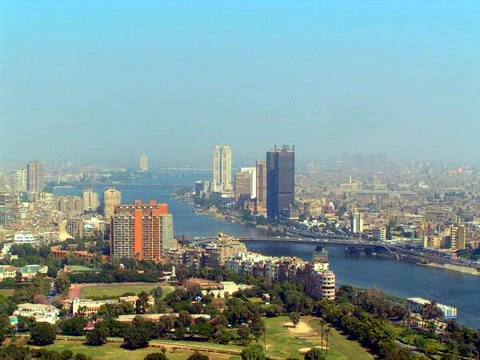
Bamako
Capital of Mali, historic trade centre on the Niger River.

Located on the Niger River in the southwestern part of the country, it serves as the nation's administrative centre and is administered as a separate capital district divided into seven communes. The city has been a key commercial and cultural hub for centuries, with evidence of settlements dating to the Palaeolithic era, and it played a central role in the history of the Mali Empire and French Sudan.
- country
- Mali
- major_river
- Niger River
- administrative_status
- Separate capital district (equivalent to a cercle)
Lore & Background
The area of Bamako has evidence of settlements since the Palaeolithic era. The fertile lands of the Niger River Valley provided abundant food, and early chiefdoms grew wealthy through trade routes linking West Africa, the Sahara, and northern Africa as early as the 600s BCE. It was a client state of the Segou Empire. The city experienced Soviet investment during the 1960s, followed by economic decline and unrest. Moussa Traoré's 23-year rule saw severe droughts and food shortages. The city's geography is on the Niger River floodplain, with bridges connecting the northern and southern banks. Its climate is tropical savanna, with a rainy season from June to October.
Reader's Guide
Bamako's significance lies in its role as the political, economic, and cultural heart of Mali. As the administrative centre, it houses key institutions such as the University of Bamako, the National Museum of Mali, and the Modibbo Keita International Airport. Its river port in nearby Koulikoro supports regional trade, and local manufacturing includes textiles, processed meat, metal goods, and mining. The city's history reflects broader West African dynamics: from early trans-Saharan trade and the Mali Empire to French colonial rule and post-independence struggles. In recent years, urban development has brought modern buildings and infrastructure, but challenges remain, including waste management controversies and security threats from jihadist groups. Bamako's architectural style is unique, and its location on the Niger River continues to shape its economy and environment.
Did You Know?
- Bamako is the seventh-largest West African urban centre after Lagos, Abidjan, Kano, Ibadan, Dakar, and Accra.
- The Sotuba Causeway is typically under water from July to January.
Geography & Urban Identity
Bamako sits on the Niger River floodplain in southwestern Mali, positioned near the rapids that separate the upper and middle Niger valleys. The city is encircled entirely by the Koulikoro Region, and its river port operates from the nearby town of Koulikoro, which also hosts a major regional trade and conference hub. As the capital and largest city of Mali, Bamako is administered as a separate capital district—equivalent to a cercle and distinct from any region—divided into seven communes. The city's local economy produces textiles, processed meat, and metal goods, supplemented by mining and commercial fishing on the Niger. In recent years, visible modernization has reshaped the skyline with new buildings, shopping malls, and infrastructure projects, while the city's architecture retains a distinctive local character.
Ancient Roots to Colonial Crossroads
Human presence in the Bamako area stretches back to the Palaeolithic era, with the fertile Niger Valley sustaining early communities that grew wealthy through trade in gold, ivory, kola nuts, and salt along routes linking West Africa, the Sahara, and eventually northern Africa and Europe by the 600s BCE. The Empire of Ghana first dominated the region by the 11th century, later succeeded by the Mali Empire. The settlement served as a client state of the Segou Empire.
Independence, Authoritarian Rule, and the Road to Democracy
The 1960s brought a socialist turn drawing Soviet investment, yet state enterprises eventually collapsed and unrest spread. Moussa Traoré seized power in a coup and governed for 23 years, a period marked by severe droughts, food shortages, and mismanagement. By the late 1980s, citizens in Bamako pressed for free-market reforms and multiparty democracy. When the UNTM leadership broke from the government that year, opposition swelled, fueled by paycuts, layoffs, and donor-driven privatisation. Students and even children joined protest marches; crowds ransacked homes and businesses linked to the regime.
Security Crises and Enduring Resilience
Bamako has endured devastating terrorist violence in recent decades. Despite these challenges, Bamako remains Mali's administrative heart, home to the University of Bamako, the National Museum, the Mali National Zoo, and the Grand Mosque, while ongoing construction of modern buildings and shopping malls signals a city determined to rebuild and grow.
Frequently Asked Questions
What is Bamako?
Bamako is the capital city of Mali, situated along the Niger River in the country's southwestern region. It functions as the nation's primary administrative seat and is governed as its own distinct capital district.
Where exactly is Bamako located?
The city sits on the banks of the Niger River in southwestern Mali. It is divided into seven communes and operates as a separate administrative unit equivalent to a cercle.
What role does Bamako play in Mali?
Bamako serves as the country's central hub for government, commerce, and culture. For centuries it has been a key trading post and a focal point of cultural life in the region.
How far back does Bamako's history go?
Archaeological evidence shows human settlements in the area dating to the Palaeolithic era. The city later became a central node in the Mali Empire and continued as a significant centre during the French colonial period.
What is Bamako's administrative status?
It is governed as a separate capital district, a status that places it above the level of a regular cercle. Within that framework, the city is subdivided into seven communes for local administration.
More in Capital Cities Of Africa 1-16
Spotted an error? Know more?
This is a living reference — every entry is fact-audited, and reader corrections feed straight into our audit queue. Suggest an edit · See this site's audit record